
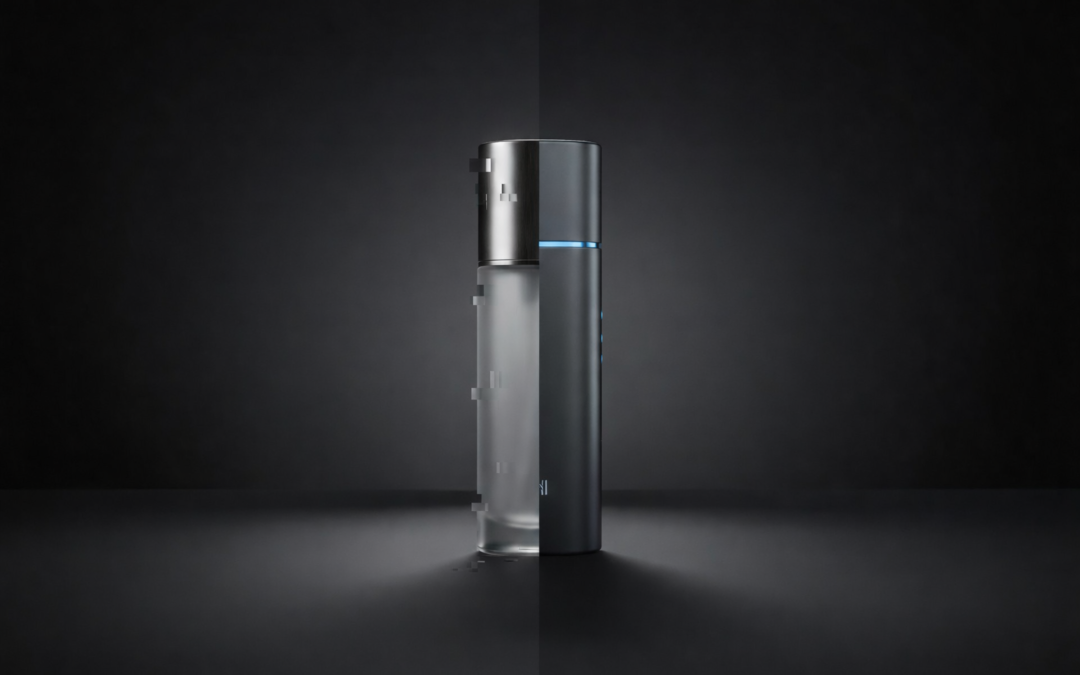
Why Most AI Product Videos Look Fake
AI video tools have become easy to access, but most AI-generated product videos still look artificial. This isn’t because the models are weak. It’s because they’re used without production logic.
The most common mistake teams make is treating AI video generation as a prompt problem. In reality, it’s a system problem.
Where AI Videos Usually Go Wrong
Most low-quality AI product videos share the same issues:
-
Excessive camera movement that doesn’t match real-world physics
-
Inconsistent lighting between frames
-
Multiple visual ideas competing for attention
-
Overuse of effects instead of controlled composition
These problems immediately signal “synthetic” to viewers, even if they can’t explain why.
How We Approach AI Video Differently
At Byteonic Studio, we approach AI video generation the same way a production team would approach a real shoot.
Instead of chasing motion, we prioritize control.
We limit camera movement to slow, predictable paths.
We treat lighting as a fixed environment, not an effect.
We focus on one product and one visual idea per reel.
This reduces visual noise and increases perceived realism.
Why Systems Matter More Than Prompts
Good AI videos don’t come from better prompts. They come from repeatable systems.
A system defines:
-
How images are prepared before motion
-
How motion is constrained
-
How outputs are evaluated and refined
Without this structure, every output becomes a gamble.
Where This Is Used in Practice
This approach is used across our Studio Visuals and client-facing ad creatives, especially for:
-
Luxury and DTC products
-
Skincare and physical goods
-
Short-form brand awareness content
The goal isn’t novelty. It’s credibility.
Final Thought
AI video doesn’t fail because it’s artificial.
It fails when it ignores production fundamentals.
When AI is treated as part of a controlled creative system, the results stop looking experimental—and start looking usable.